Drafting an Original Loose-Fit Dress
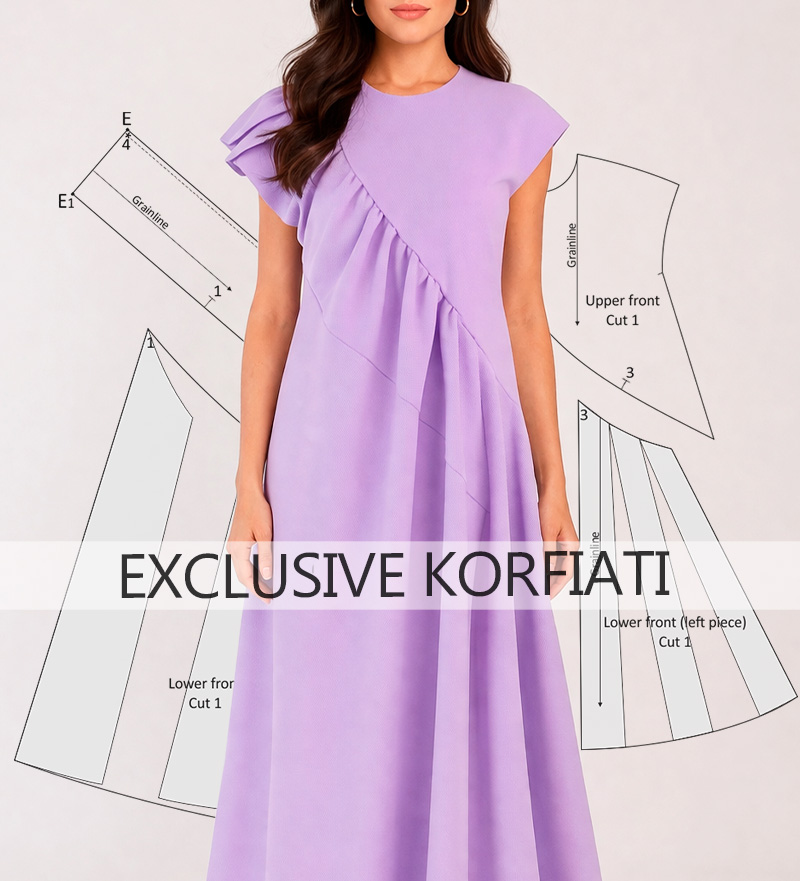
For objective reasons, contemporary fashion is moving toward comfortable, relaxed silhouettes that do not restrict movement and allow ease in any situation. It is no surprise that today very popular is clothing made from knit fabrics, as well as lingerie-style garments. Both trends consistently dominate modern wardrobes.
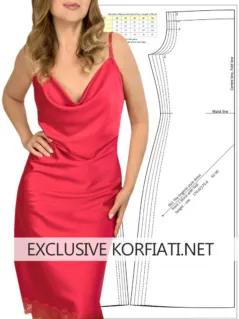
Another outstanding and highly relevant trend is the loose-fit dress. Feminine and exceptionally comfortable, the loose-fit dress features a relaxed cut and is one of the most versatile garments. It can be worn at the beach, to a casual gathering, or even to a formal event – the key is to select the appropriate fabric and complete the look with suitable accessories.
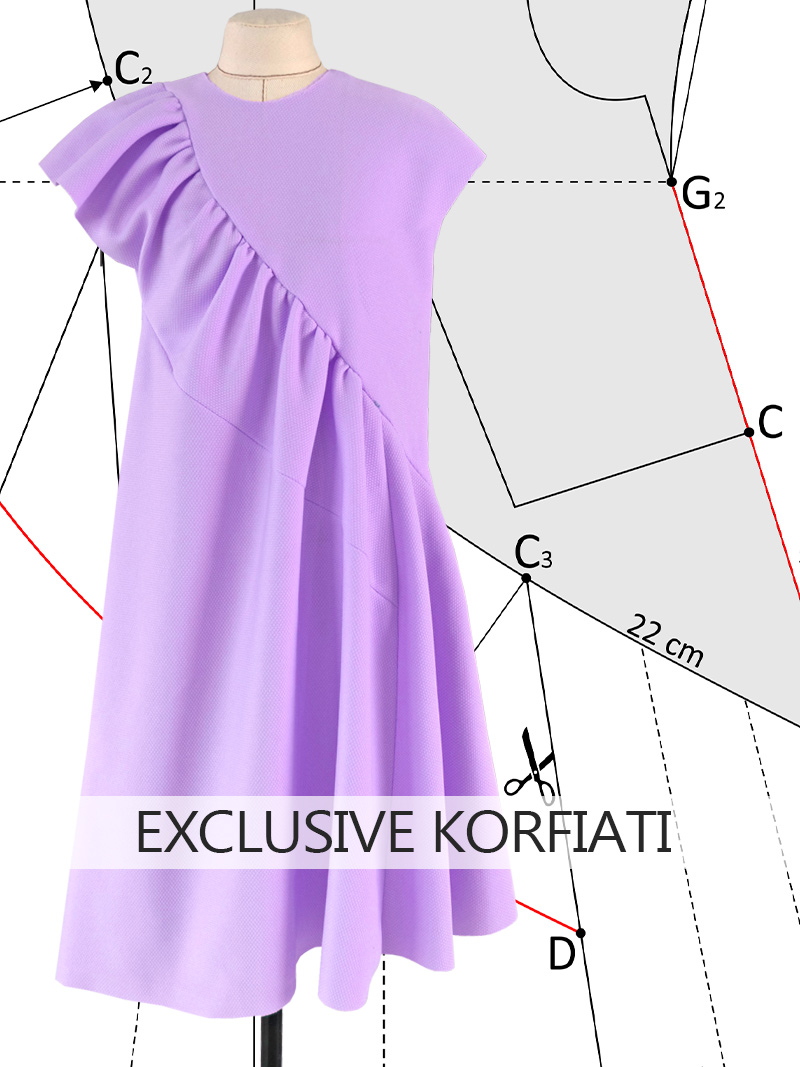
Fig. 1. Drafting an Original Loose-Fit Dress
At the request of our subscribers, this lesson demonstrates how to draft a loose-fit dress with an original asymmetrical cut, a round neckline, and an inset flounce. The model is constructed on a scaled dress form.
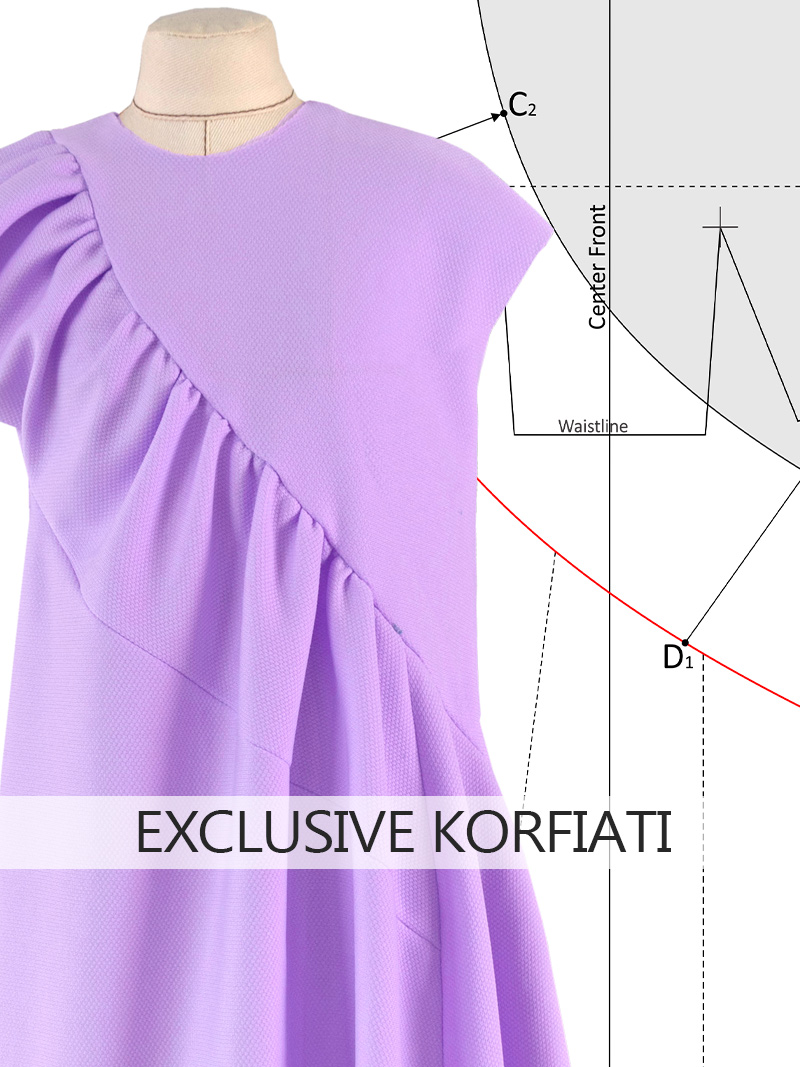
Fig. 2. Loose dress mock-up on a scaled dress form
Drafting the Loose-Fit Dress Pattern
Use the basic dress block as a starting point. Ease allowance is selected individually depending on size and may be 5 cm (2″) or more.
Front Pattern Drafting
Trace the full front pattern onto paper (fig. 3). Transfer the bust dart to the waistline. Lower the front neckline by 1 cm (3/8″) (points A and B) and redraw the neckline curve. Raise the shoulder endpoints by 1.5 cm (5/8″)—points A1 and B1. Connect points A–A1 and B–B1 with straight lines and extend them to the left and right. Mark A–A2 = B–B2 = 22.5 cm (8 7/8″) (length of the extended shoulder line). Set A2–A3 = B2–B3 = 1.5 cm (5/8″).
Deepen the armhole: GG1 = 5-6 cm (2″-2 3/8″) (this value may be increased). From point G1, draw a dashed line to the right; the intersection defines point G2. Connect points B3 and G2 with a slightly curved line.
Shaped front line. Along the shoulder line, mark AA0 = 4.5 cm (1 3/4″). CC1 = 21–22 cm (8 1/4″-8 5/8″). G1C2 = 18 cm (7 1/8″) (width of the inset flounce, may vary). Shape a smooth curved line through points A0–C2–C3–C1 and through points A3–G1–D1–D as shown in Fig. 2.
Along the line, set segment C1–C3 = 22 cm (8 5/8″) (this value may vary slightly). Check the width of the piece: C3–D1 = 18 cm (7 1/8″).
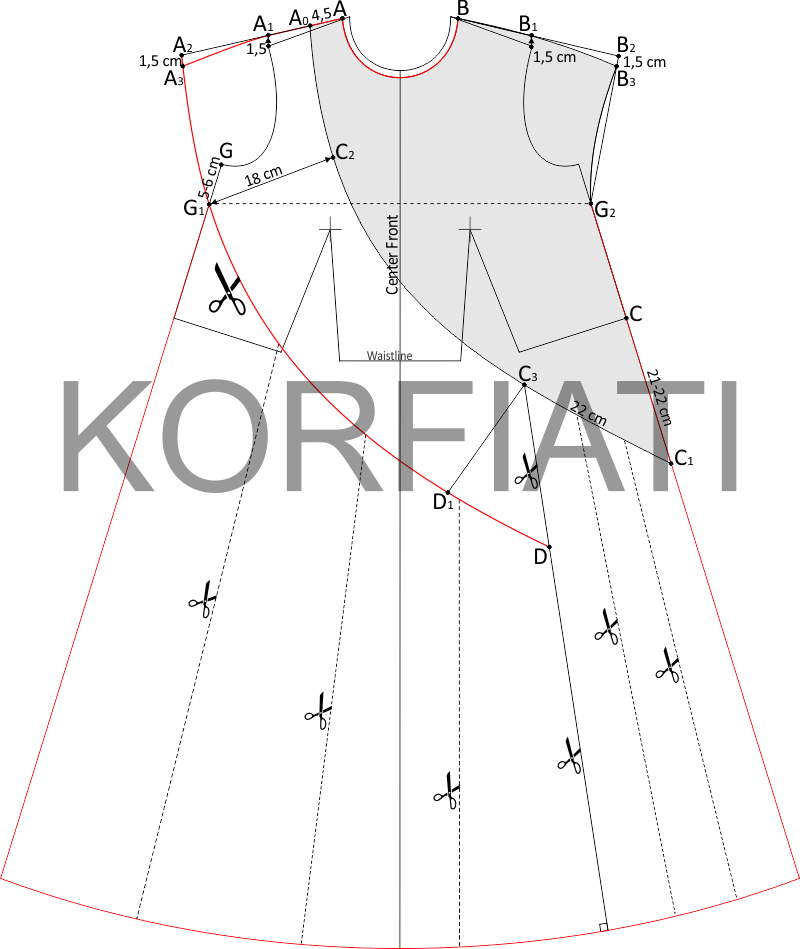
Fig. 3. Drafting the front pattern of the loose-fit dress
Drafting the Inset Flounce
Cut the front pattern along the drafted lines. The inset flounce is drafted as a replacement for piece A0–C3–D–A3 and corresponds to piece E–F–E1–F1:
- Upper edge of the flounce EF = A0–C3 × 1.7.
- Lower edge of the flounce E1F1 = EF + DD1.
Mark matching alignment points 1–2–3–4 on the pieces as shown in Fig. 4.
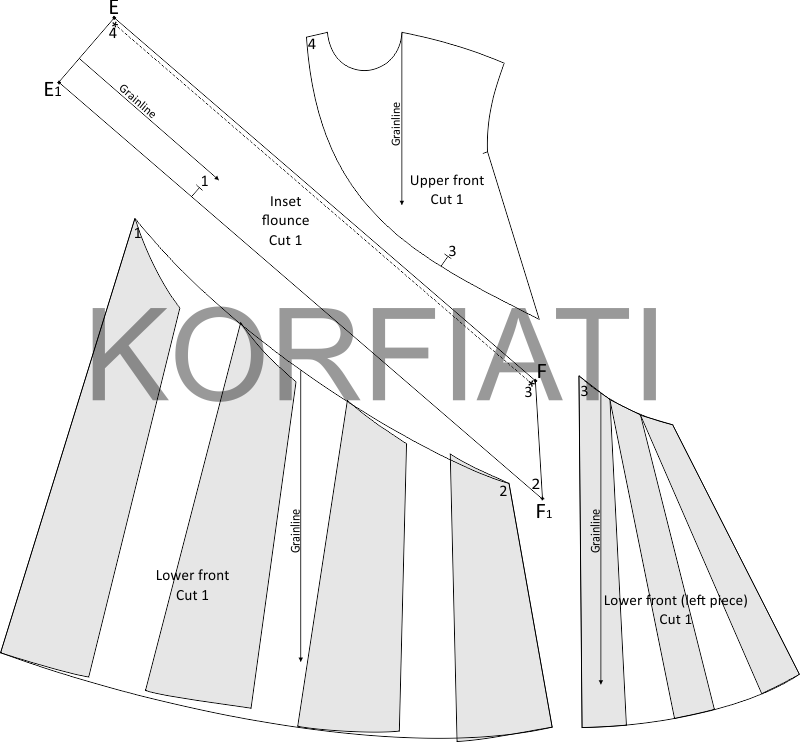
Fig. 4. Front pattern pieces of the loose-fit dress
Drafting the Back Pattern
For the back, use the right half of the front pattern as a template. Place it onto the back section and trace the shoulder seam and side seam lines (Fig. 5). Remove any excess and draft the back pattern as shown in the diagram.
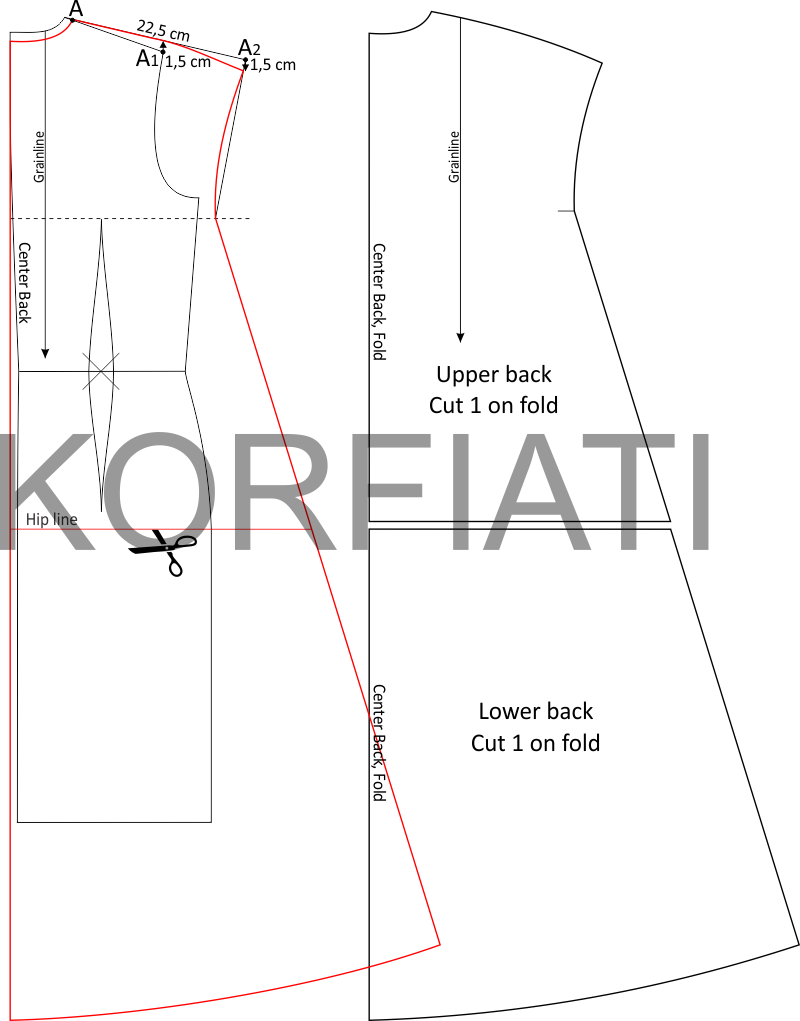
Fig. 5. Drafting the back pattern of the loose-fit dress
You can find more full-scale downloadable patterns on the Anastasia Korfiati Sewing School website in the Ready-Made Patterns section. The collection is regularly updated—subscribe to our free lessons to stay up to date and continue creating professional garments with us!


No Comments