Stylish, Warm, Comfortable! Download your PDF Jacket/Coat Pattern in 6 (!) sizes

This season, the runways and street-style chronicles are brimming with elegant silhouettes, with double-breasted jackets taking a leading role among the most current wardrobe staples. This timeless classic is experiencing another peak in popularity, forming the foundation for both professional business attire and relaxed casual ensembles. Our latest double-breasted jacket/coat, for which we have developed a pattern covering six (!) standard sizes, fits perfectly into these trends. Download and start sewing today!
- Stylish, Warm, Comfortable! Download your PDF Jacket/Coat Pattern in 6 (!) sizes
- Jacket/Coat Details (Technical Specification)
- Styling Your Double-Breasted Jacket/Coat
- How to Download the PDF Jacket/Coat Pattern
- How to Check Your Downloaded Pattern
- Cutting and Sewing Instructions
- Seam and Hem Allowances
- How to Construct the Jacket/Coat
Jacket/Coat Details (Technical Specification)
The jacket/coat features the following design elements and construction details, making it the ideal layering piece that integrates seamlessly with both classic and casual wardrobes.
- PDF Pattern: Developed for download, covering standard sizes 42 through 52.
- Finished Center Back Length: Sizes 42/66 cm – 44/66.5cm – 46/67 cm – 48/67.5 cm – 50/68 cm – 52/68.5 cm.
- Closure: Double-breasted.
- Buttonholes: Hand-worked keyhole buttonholes.
- Collar and Lapels: Wide lapels and a large convertible collar. The broad, pronounced lapels are a key detail, lending the garment a modern and upscale appearance.
- Shoulder Line: Dropped shoulder line.
- Sleeves: Feature wide cuff tabs (or sleeve tabs).
- Pockets: Model is designed without pockets, finished with a vibrant viscose lining.
Fabric Recommendation: We recommend constructing this jacket/coat from a medium-weight coating fabric.
To contents ▴Styling Your Double-Breasted Jacket/Coat
This double-breasted jacket/coat is a true wardrobe investment! This style pairs excellently with skirts, trousers, and even shorts. The classic, yet current, cut (or drape) makes it an ideal companion for corporate or business looks.
A more subdued, but equally chic and modern look can be created with a crisp white shirt, a pullover, and denim trousers. The elongated shirt cuffs create harmonious layering, while accessories provide the necessary focal points. Simply stunning!
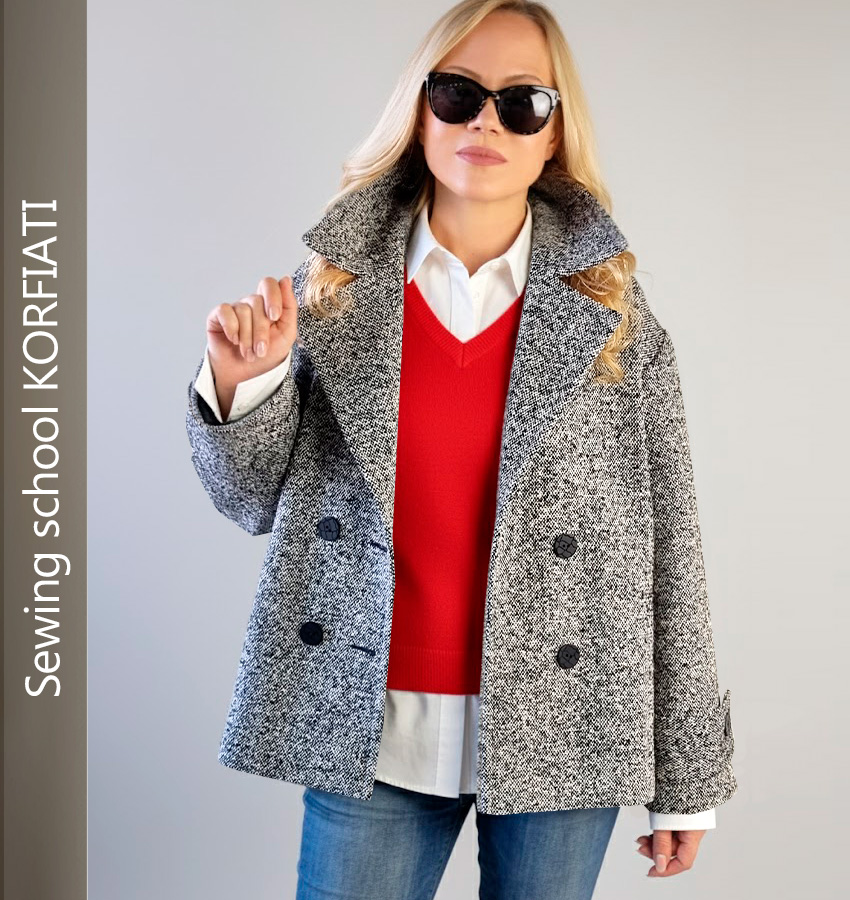
Fig. 1. The double-breasted jacket/coat is a true wardrobe investment
Another example of a fashionable and current pairing is a bold outfit featuring cropped denim shorts, a soft, tonal sweater, and high over-the-knee boots. An oversized tote bag completes the ensemble.
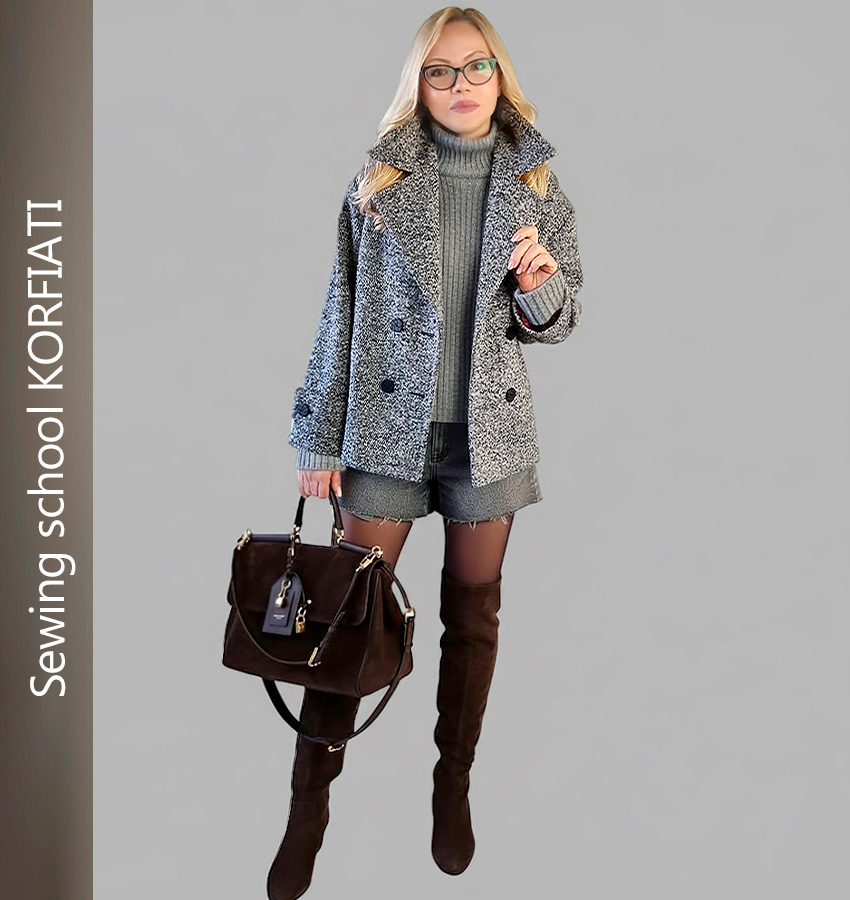
Fig. 2. A bold outfit featuring cropped denim shorts, a soft, tonal sweater, and high over-the-knee boots
How to Download the PDF Jacket/Coat Pattern
The finished jacket/coat pattern is drafted for six standard sizes: from 42 to 52. The ease allowance (or design ease) added to the half-bust measurement is approximately 10 cm. The ease allowance added to the sleeve width is approximately 16 cm.
Finished Center Back Length for sizes 42-52: 66 cm – 66.5 cm – 67 cm – 67.5 cm – 68 cm – 68.5 cm.
A front and back design sketch (or technical flat) of the jacket/coat is shown in Fig. 3.
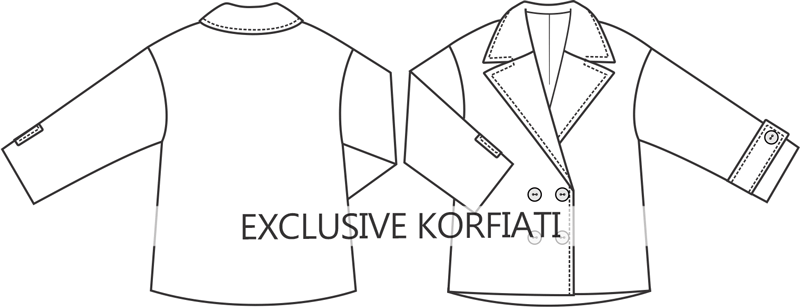
Fig. 3. Double-Breasted Jacket/Coat Sketch
The ready-to-download PDF pattern is provided in two formats:
1. Full-scale (for wide-format printing).
2. Tiled (for printing on standard A4 sheets).
If you print the pattern using the A4 tiled format, the sheets must be accurately joined. A tiling grid (or alignment grid) is printed on the sheets, making assembly simple – use masking tape or a glue stick and scissors. For more details, see: How to Check Your Downloaded Pattern
IMPORTANT! The pattern pieces are drafted without seam allowances or hem allowances!
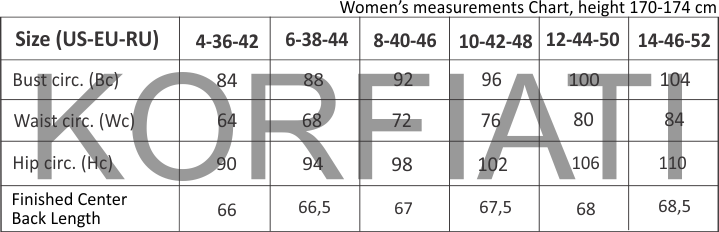
Fig. 4. Basic measurements Chart 36-46 sizes
To download the finished jacket/coat pattern, click the icon below.
To contents ▴How to Check Your Downloaded Pattern
The complete pattern sheet layout is shown in Fig. 5. To ensure printing accuracy, a test square with dimensions of 100 х 100 mm is included on the pattern pages.
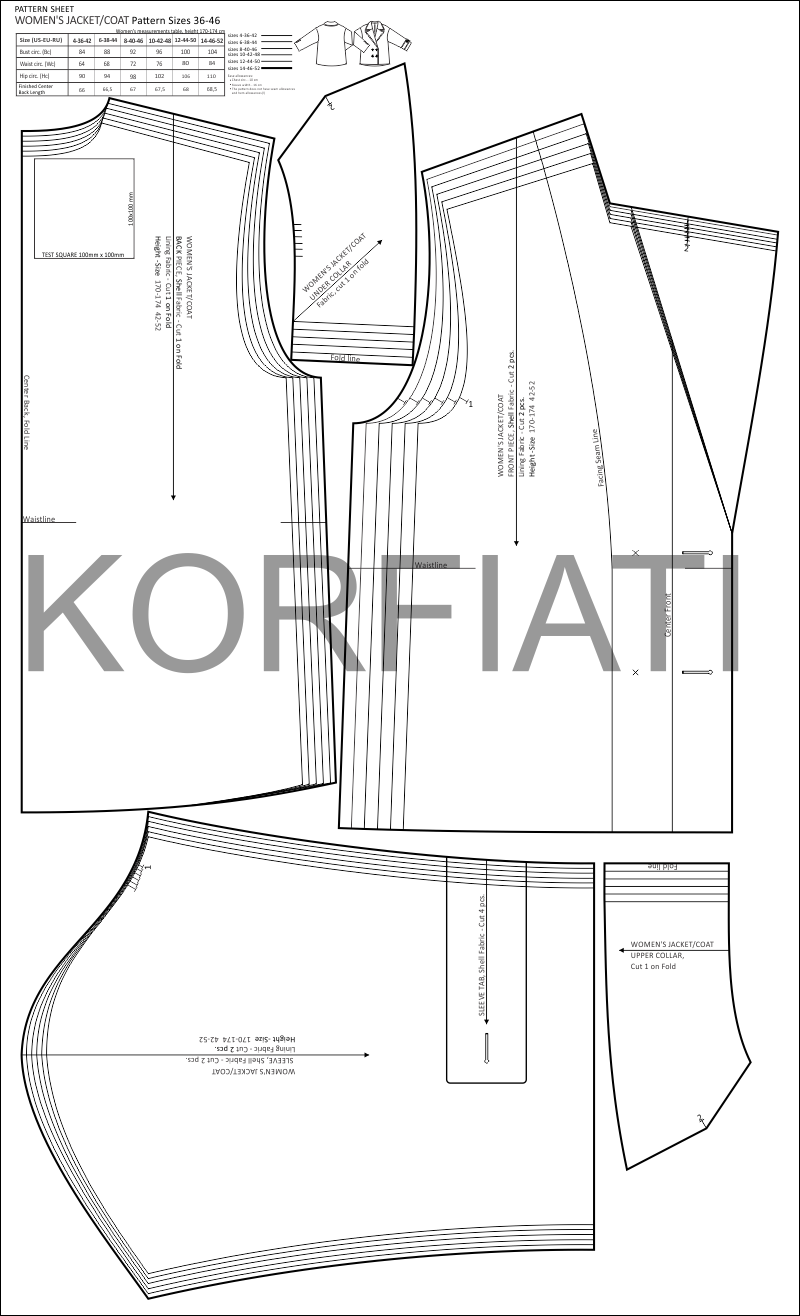
Fig. 5. Double-Breasted Jacket/Coat Sheet Pattern
Why is this necessary? Sometimes, printer settings can compress the image. Therefore, ensure that your printer settings have the “Full Size” or “Scale 100%” option selected.
Mandatory Step: Always measure the test square after printing and check the pattern pieces after assembly to avoid errors in the final garment.
Pro Tip (Muslin/Toile Check): A simple way to check the pattern is to cut out the paper pieces for your chosen size and join them at the seamlines using small pieces of painter’s tape. Carefully try on the resulting paper mock-up (or toile). This gives you a clear sense of the garment’s structure and fit (or silhouette), allowing you to easily tweak the pattern for any noticeable fit issues in girth or length.
To contents ▴Cutting and Sewing Instructions
Download and print the pattern, assemble the tiled sheets, select your size, and cut the pattern pieces along the solid lines.
Materials Required for Construction:
-
- Approximately 2.5 m of medium-weight mélange coating fabric (145-150 cm width).
- 1.6 m of viscose lining fabric.
- 6 buttons (approximately 26 mm diameter).
- Fusible interlining (or interfacing/stabilizer) for reinforcing key pattern pieces (see tutorial: How to Fuse Interfacing).
- Heavy-duty thread (e.g., Mettler Seralon No. 30) for hand-worked buttonholes.
- All-purpose sewing thread (e.g., Madeira Aerofil No. 120).
- Overlock thread (e.g., Madeira Aerolock No. 125) for seam finishing.
Required Sewing Equipment:
- Straight-Stitch Sewing Machine: For seaming and edge finishing.
- Serger (or Overlock Machine): For securing the raw edges of seam allowances (essential for fraying fabrics).
Cutting Layout (Main Fabric, Fig. 6):
- Back: 1 piece (on the fold)
- Front: 2 pieces
- Front Facing: 2 pieces (trace separately from the Front pattern piece)
- Sleeve: 2 pieces
- Upper Collar: 1 piece (on the fold)
- Under Collar: 1 piece (on the fold)
- Sleeve Tab: 4 pieces (trace separately from the Sleeve pattern piece).
Interlining: Fuse the interlining to the designated pattern pieces as shown in the diagram (Fig. 12). Additionally, fuse interlining to the hem allowances of the Back, Front, and Sleeves.
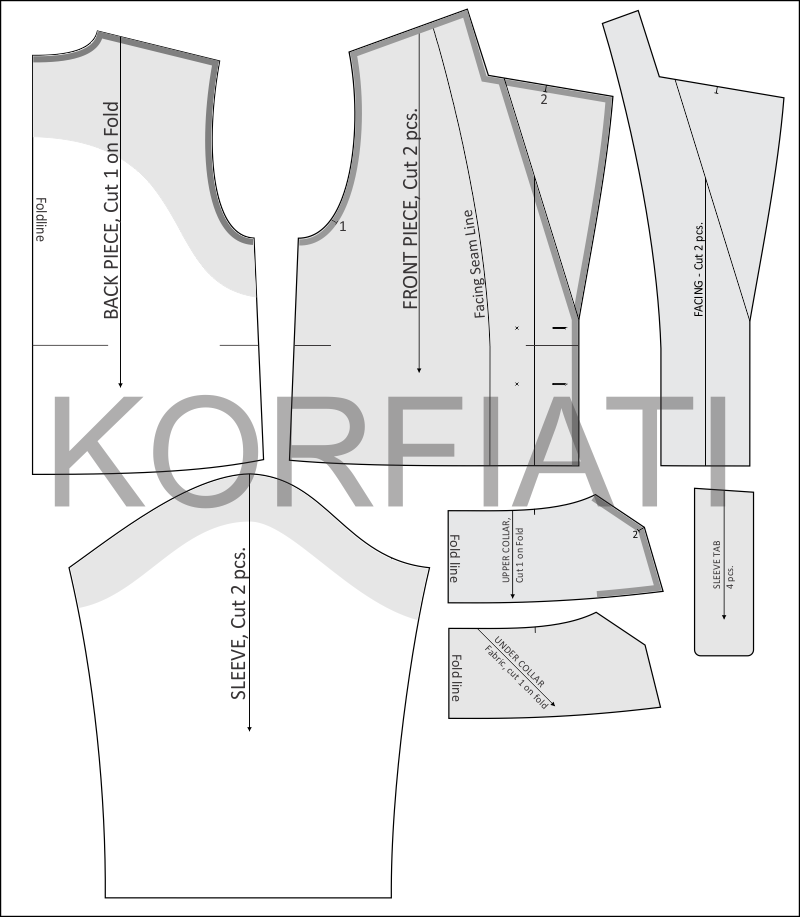
Fig. 6. Double-Breasted Jacket/Coat Pattern Details
Cutting Layout (Lining Fabric):
- Back Lining: 1 piece (on the fold, add a pleat for ease of 2 cm at the center back).
- Front Lining (less the Front Facing): 2 pieces.
- Sleeve Lining: 2 pieces.
Seam and Hem Allowances
When laying out your pattern:
Add a seam allowance of 1.5 cm to all pattern edges. Add a hem allowance of 4 cm to the bottom edges of the Back, Front, and Sleeves.
For more detail, see the lesson: What Seam Allowances to Use When Cutting
Masterclass: Jacket/Coat Construction
Critical Note: The edges of fabrics like mélange wool coating are often prone to fraying. Therefore, we strongly recommend finishing (or serging) the raw edges of all seam allowances with a 3-thread overlock stitch immediately after cutting. If your fabric is non-fraying, this step can be omitted.
How to Construct the Jacket/Coat
A detailed step-by-step construction tutorial for a similar style of transitional weight coat can be found here: How to Sew a Coat
Discover more ready-to-use patterns and styling ideas for your wardrobe on the Anastasia Korfiati Sewing School website. Subscribe to our free newsletters to receive new patterns first!

You might be interested in:
- Women’s Measurements Charts
- Palazzo pants pattern
- Flared Cashmere Coat Pattern for Download
- Women’s Bomber Jacket Pattern