Seam Allowances: What to Add When Cutting Your Fabric
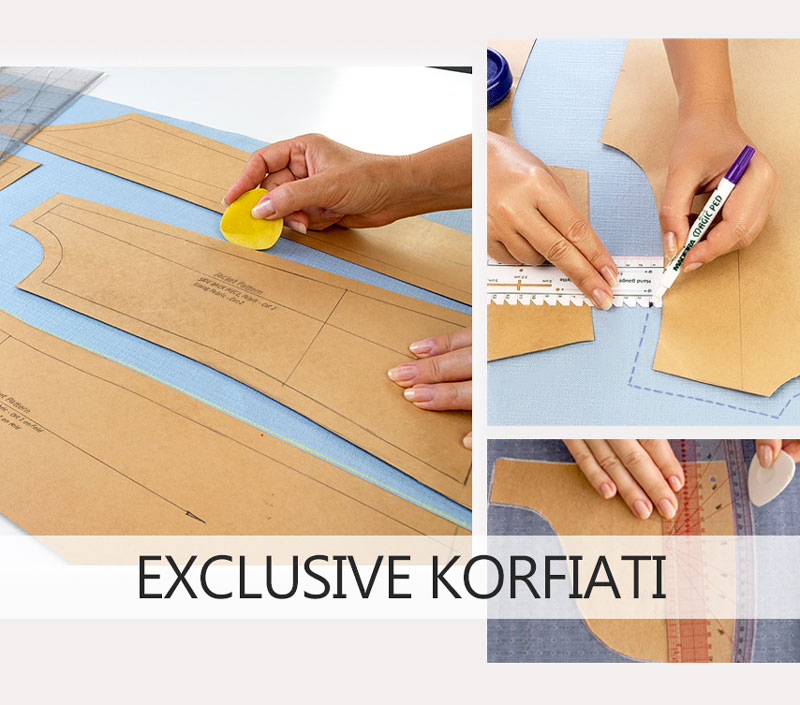
When working with sewing patterns, one of the most common questions – especially among beginners – is whether seam allowances should always be added and how wide they should be. In this guide, we’ll explain the purpose of seam allowances and how they are used in professional dressmaking.
Seam Allowances vs. Wearing Ease
It’s quite common to confuse wearing ease and seam allowances, but these are fundamentally different concepts. Ease allowances are built into the pattern at the drafting stage and determine how closely the garment fits the body. Their values vary depending on the design, fabric, and intended silhouette, and are defined by the patternmaker.
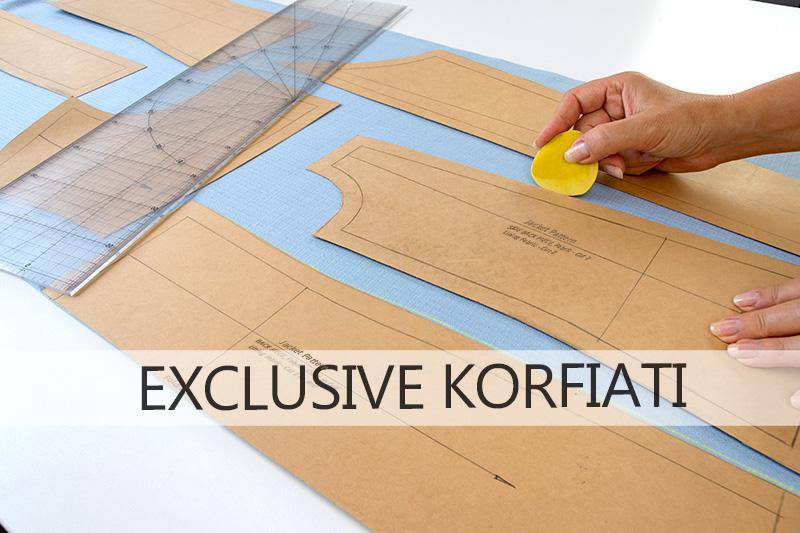
Fig. 1. Transferring pattern outlines onto fabric
Even if ease is already included in the pattern, seam allowances must still be added around all pattern pieces when cutting.
What are seam allowances? Seam allowances are the extra fabric added beyond the stitching line on all edges of a pattern piece. They are essential for assembling and finishing the garment. If you omit them, the finished garment will be smaller than intended after stitching.
Recommended reading: Ease Allowance for garment
To contents ▴Tools for Marking Seam Allowances
There is a wide range of tools available for transferring pattern outlines and marking seam allowances. The most commonly used in professional practice include:
- Wax chalk pencil
Produces clean, smooth lines and requires periodic sharpening. - Air-erasable fabric marker
Ideal for lightweight fabrics. The markings disappear over time or instantly when exposed to water. - Graphite pencil
Best suited for tracing pattern outlines onto paper or marking interfacing materials. - Tailor’s chalk
Used to transfer pattern lines onto fabric. For precision, sharpen both edges of the chalk to create fine, crisp lines.
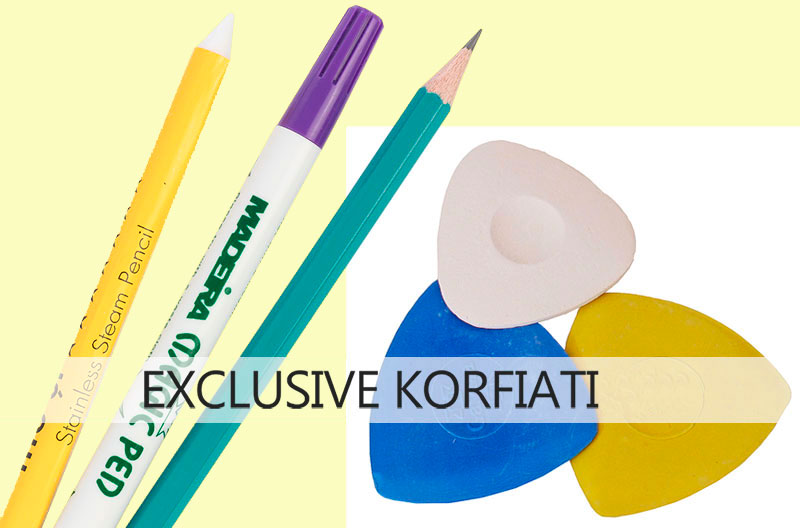
Fig. 2. Pattern marking tools
- French curves and pattern rulers
Many transparent pattern rulers feature built-in seam allowance guides along curved edges—typically 0.6 cm (1/4″), 1.2 cm (1/2″), and 1.5 cm (5/8″). These guides make it easy to draft consistent seam allowances, especially for beginners.
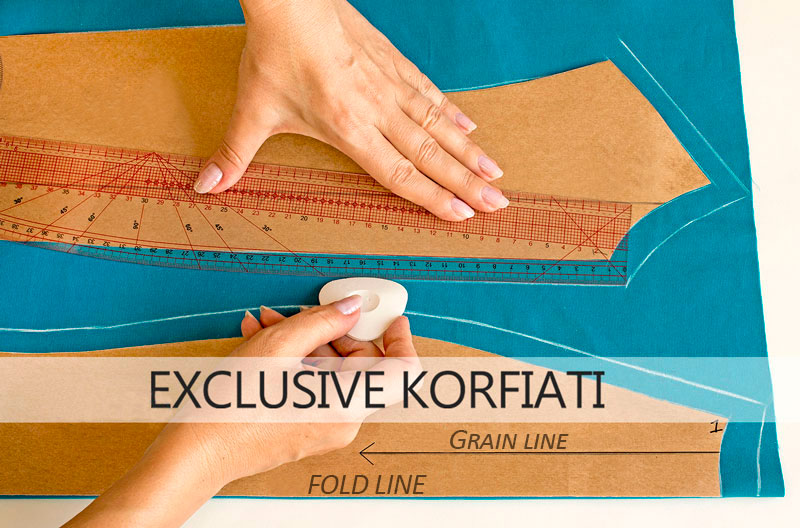
Fig. 3. Marking seam allowances using a French curve
- Measuring gauge (e.g., Madeira ruler)
A versatile tool for marking seam allowances, pleats, button placements, and more. Lightweight and precise, it’s a staple in many workrooms.
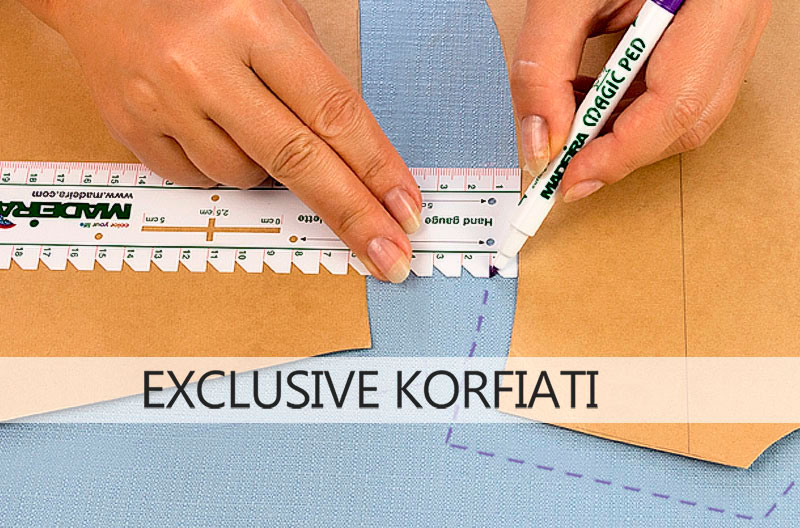
Fig. 4. Using a measuring gauge with an air-erasable marker
This type of ruler is also excellent for drafting circular shapes directly on fabric—for example, cutting a circle skirt. Fix the ruler at a pivot point (using an awl or pin) and draw the radius with a fabric marker. Seam allowances are then added as a parallel arc with a smaller radius.
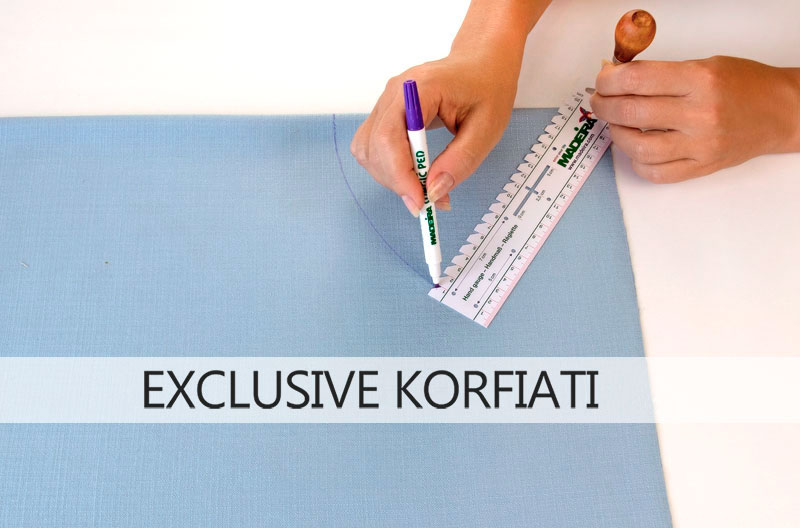
Fig. 5. Drafting a half-circle skirt directly on fabric
Types of Seam Allowances
A key consideration is how to determine the correct seam allowance width for different garments and materials.
Seam allowances can be divided into:
- Construction and hem allowances — their width depends on the garment type and fabric characteristics.
- Fitting allowances — used in bespoke tailoring to allow for adjustments during fittings. Their placement and width are determined by the cutter based on the client’s figure.
IMPORTANT! A standard seam allowance in most cases is 1.5 cm (5/8″). This width is practical: during basting and fitting, raw edges may fray slightly, and 5/8″ allows you to clean up edges (e.g., with an overlocker) without compromising usability for pressing and finishing.
For knit garments, seam allowances typically range from 0.7 cm (1/4″) to 1.5 cm (5/8″), depending on fabric stretch and construction method. Hem allowances for knits are usually 3–4 cm (1 1/4″–1 1/2″).
For loosely woven or bulky fabrics, increase seam allowances initially and trim excess during construction.
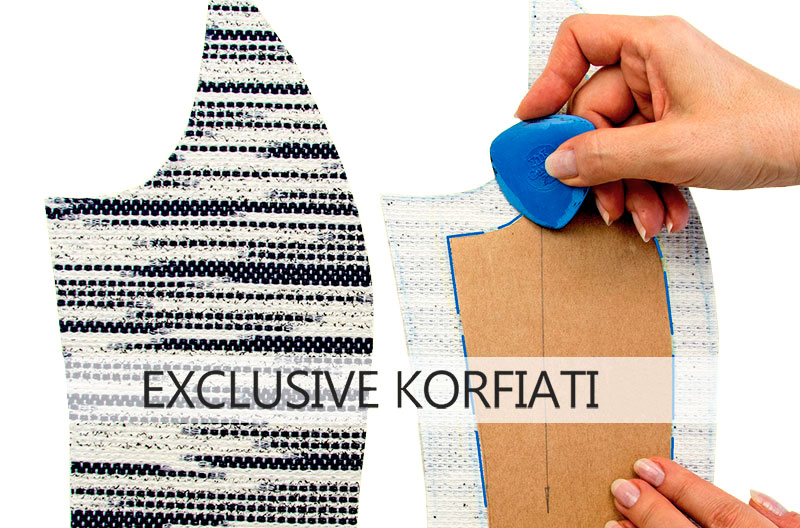
Fig. 6. Increased seam allowances on tweed
Excess seam allowance in areas such as collars, lapels, and facings is typically graded or trimmed during sewing.
Hem allowances vary widely—from 1.5 cm (5/8″) for lightweight or circular skirts to up to 6 cm (2 3/8″) for coats made from heavy fabrics.
Standard sleeve hem allowances depend on the design. For sleeves without cuffs, a typical allowance is 4 cm (1 1/2″).
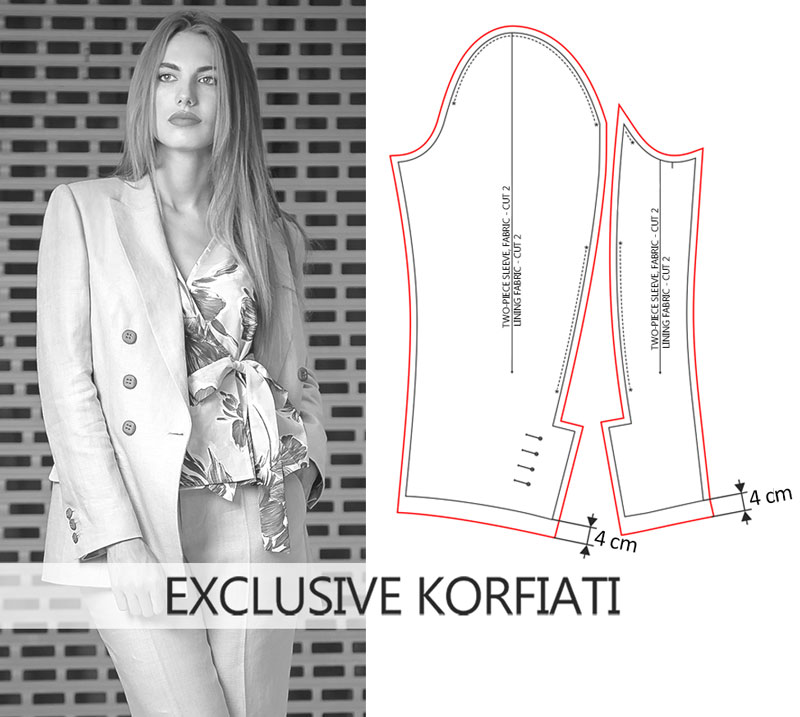
Fig. 7. Marking sleeve hem allowance (no cuff)
For sleeves with cuffs, add 1–1.5 cm (3/8″–5/8″) at the sleeve edge (standard: 1.5 cm / 5/8″). The same allowance applies to the cuff edges.
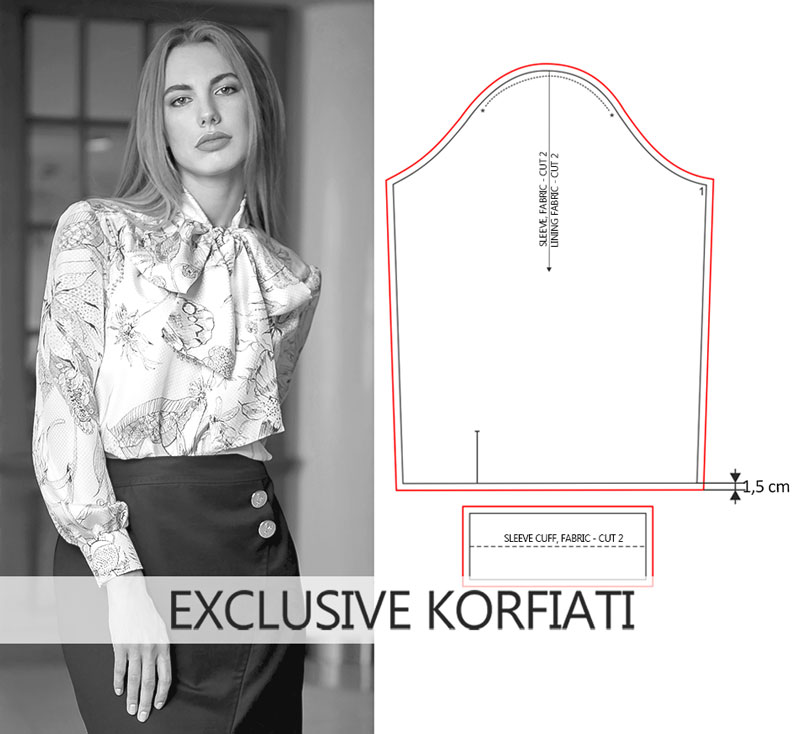
Fig. 8. Marking seam allowances for a cuffed sleeve
Seam Allowance Reference Tables
To simplify your workflow, refer to the tables below when determining appropriate seam allowance widths. The first table covers upper-body garments.
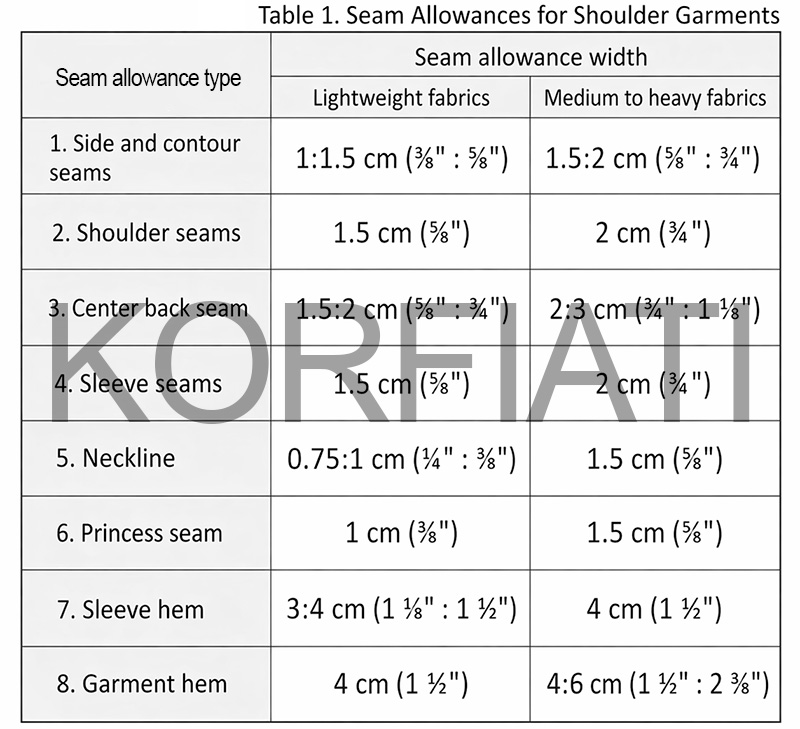
Fig. 9. Table 1. Seam allowances for upper garments
The second table provides guidelines for trousers.
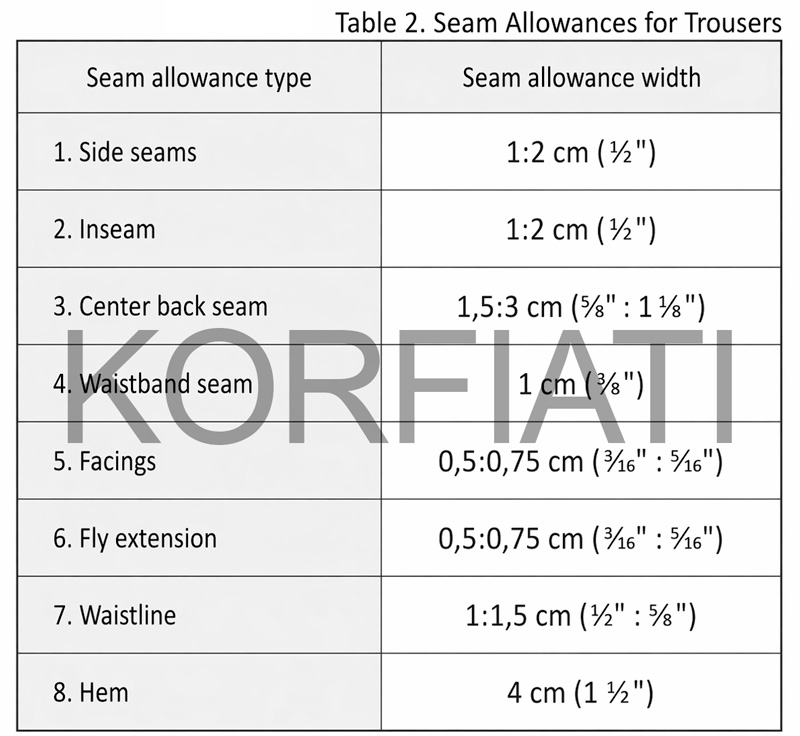
Fig. 10. Table 2. Seam allowances for trousers
Skirt allowances are summarized in Table 3.
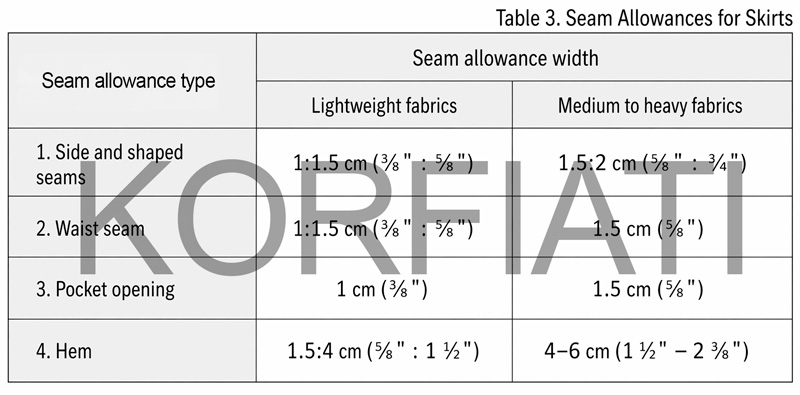
Fig. 11. Table 3. Seam allowances for skirts
Discover more tutorials and professional sewing tips at the Anastasia Korfiati Sewing School. Subscribe to our newsletter and refine your sewing skills with us.





No Comments